A Breakthrough in Sweet Basil: Rutgers Secures Patent for Downy Mildew Resistance
Exciting news for anyone who enjoys sweet basil: Our team at Rutgers University has achieved a major milestone in the battle against basil downy mildew, a catastrophic disease for commercial growers and a nuisance for the home gardener. In July 2025, Rutgers was awarded a U.S. patent for a novel sweet basil variety that shows improved resistance to downy mildew, one of the most destructive diseases affecting this beloved herb.
🦠 Why Downy Mildew Matters
Downy mildew, caused by the pathogen Peronospora belbahrii, has been a serious threat to sweet basil production in the United States for almost two decades. This pathogen attacks the leaf quickly, causing yellowing, browning, and overall decline in plant health, and often devastating entire plantings. In almost all basil-growing regions, outbreaks have been reported in commercial and greenhouse settings, underscoring the need for effective, long-term solutions.
Traditional approaches — such as chemical fungicides or environmental controls — provide only limited protection and can be costly or impractical for many growers. That’s why genetic resistance has long been the “holy grail” in basil breeding. Rutgers researchers have been on this quest for years and have been successful with the release of the varieties Rutgers Devotion DMR, Rutgers Obsession DMR and Rutgers Passion DMR. These varieties have strong resistance to races 0 and 2 of the disease; however the disease is rapidly evolving.
🧬 CRISPR Meets Basil
The new patent stems from a cutting-edge approach using CRISPR/Cas9 gene-editing technology to modify a gene in basil, homoserine kinase (ObHSK), which is associated with susceptibility to downy mildew. By precisely editing this gene, the Rutgers team produced basil plants that demonstrate significantly greater resistance to the pathogen under greenhouse and field conditions.
Importantly, these plants are transgene-free — which means they don’t contain foreign DNA and are not classified as genetically modified organisms (GMOs). This distinction makes the technology compatible with both conventional and many organic-oriented markets, easing regulatory hurdles and consumer acceptance.
🌱 Field Success and Ongoing Development
Rutgers horticulture trials have shown that these edited basil plants not only resist downy mildew longer but also exhibit milder disease symptoms overall compared with unedited varieties exposed to the disease outdoors across multiple seasons. The research team also secured a rare USDA-APHIS permit to field-test the plants in natural growing conditions at Rutgers’ Horticulture Farm.
Moving forward, these gene-edited lines are being integrated into existing disease-resistant breeding programs. The aim is to combine the best traits — strong mildew resistance, aroma, flavor, and plant vigor — into sweet basil varieties that can thrive for home gardeners and commercial producers alike.
🍃 What This Means for Growers and Gardeners
This patent isn’t just another academic milestone — it has real implications for anyone who grows basil, from backyard herb growers to commercial farms:
-
Reduced disease losses: Growers will have access to plants that withstand one of basil’s toughest foes.
-
Lower fungicide needs: With better genetic resistance, dependence on chemical controls can decrease, saving money and reducing environmental impact.
-
Improved plant quality: Stronger plants mean more harvestable leaves with great flavor and aroma.
-
Broader impact: The techniques here could help other crops facing similar disease challenges, showcasing the power of gene editing in plant breeding.
Looking Ahead
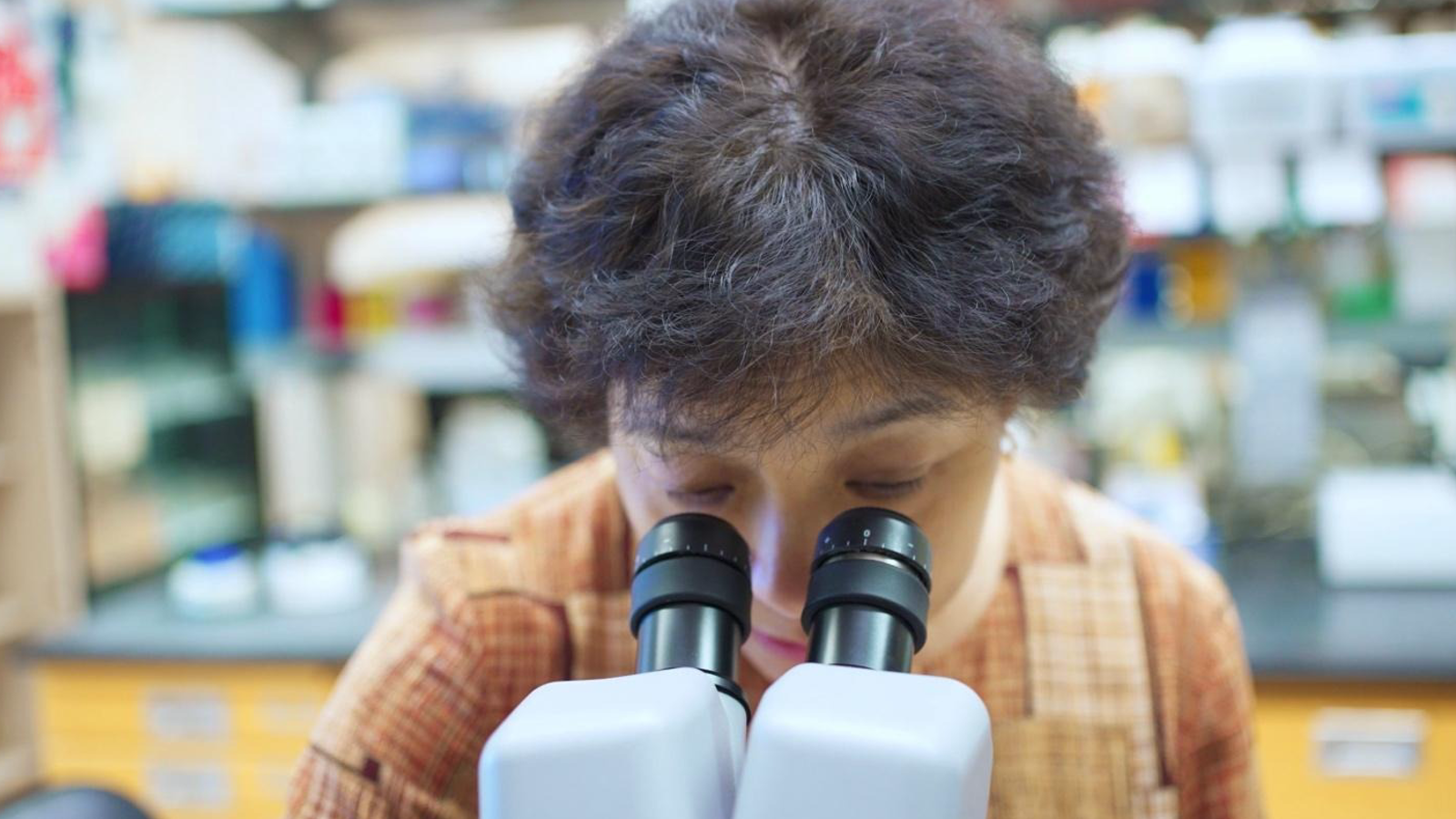
The patent — officially US 12,356,912 B2 — is more than just intellectual property. It reflects a decade of dedication by Rutgers plant scientists, including James Simon and Rong Di, and represents a tangible step forward in sustainable agriculture.
As basil continues to be a culinary favorite worldwide, this innovation brings growers closer to reliably healthy, robust crops — and that’s great news for farmers, chefs, and herb lovers everywhere.
This news story was originally published by SEBS NJAES Newsroom